
Hardwood Flooring vs. Engineered Hardwood: Which Is Right for You?
Selecting the right flooring for a home or commercial building represents a significant investment that directly shapes both spatial design and long-term property performance. Careful consideration of material durability, maintenance needs, and visual appeal ensures that your final choice satisfies both functional requirements and personal design preferences. Among the standard options available today, natural timber solutions remain a prime choice for property owners seeking classic beauty. Deciding between solid timber planks and modern composite structures requires a complete evaluation of environmental conditions, structural demands, budget constraints, and future maintenance plans. Both materials bring distinct structural benefits, meaning that the ultimate selection rests on how well a product aligns with the specific functional requirements of a room.
Understanding the fundamental distinctions between traditional timber and modern engineered products helps property owners make educated decisions for their renovation or construction projects. Solid planks deliver an authentic, uninterrupted piece of natural lumber, whereas composite products use a layered construction designed to resist environmental stresses. Working with professional flooring store services ensures that every aspect of material selection, subfloor preparation, and technical layout is properly addressed. By balancing visual goals with technical requirements, property owners can achieve beautiful interior spaces that stand up to daily foot traffic and local humidity changes.
Selecting Solid Timber Planks
Solid timber flooring consists of individual boards cut from a single piece of natural hardwood, commonly sourced from durable species such as oak, maple, or cherry. Each plank features natural grain patterns, color variations, and organic characteristics that bring warmth and authenticity into any room. Historically valued, hardwood flooring is known for its durability. With proper care, it can last for several generations, making it a wise investment in terms of longevity. According to The Spruce, solid hardwood floors have a lifespan ranging from 30 to 100 years, dependent on maintenance and wear conditions.
Beyond its undeniable aesthetic charm, solid timber offers structural properties that make it a favorite for major architectural upgrades. Because the boards are uniform in material throughout their entire depth, they can undergo repeated sanding and refinishing processes over several decades. Navigating the selection process becomes much easier when consulting experienced flooring store services to determine which species and surface finishes best fit specific daily foot traffic patterns. This classic material thrives in environments with controlled moisture levels, providing an enduring finish that consistently elevates overall property valuation.
Evaluating Engineered Plank Construction
Engineered hardwood represents a sophisticated evolutionary step in wood floor design, combining natural beauty with modern engineering principles. These planks feature a top veneer layer of authentic hardwood bonded securely to multiple underlying core layers of high-density fiberboard or cross-directional plywood. This specialized core arrangement counteracts the natural tendency of natural lumber to expand and contract when exposed to changing temperature and humidity conditions. The resulting product delivers structural stability without sacrificing the visual warmth and tactile grain texture of traditional hardwood.
Because of its advanced multi-layer construction, engineered timber performs exceptionally well in environments that traditionally present challenges for solid wood planks. Subterranean rooms, concrete subfloors, and spaces equipped with underfloor radiant heating systems serve as ideal applications for this adaptable material. Utilizing professional flooring store services allows property owners to explore various core thicknesses, veneer qualities, and moisture barrier requirements before installation begins. This versatile option bridges the gap between high-end design aspirations and realistic building requirements, offering a durable solution for modern residential layouts.
Comparing Long Term Value Properties
Evaluating the financial aspect of a floor upgrade requires looking past the initial material cost and assessing long-term value, maintenance demands, and potential resale impact. Solid timber planks typically demand a higher initial financial commitment for both the raw materials and the specialized labor needed for proper installation. However, their ability to endure for a century through multiple refinishing cycles means the lifetime cost per year remains remarkably low. Properties featuring authentic solid timber often experience an immediate boost in market desirability, appealing directly to discerning real estate buyers.
Engineered timber offers a competitive initial price point, making high-end wood aesthetics accessible across a broader range of project budgets. While these composite boards feature a thinner surface layer that limits how many times they can be fully sanded down, high-quality versions still deliver an impressive service life of up to three decades. Partnering with top-rated flooring store services helps project managers balance upfront procurement expenses against predicted long-term performance standards. Ultimately, both materials represent sound investments, provided they are placed in environments that match their structural capabilities.
Managing Professional Installation Requirements
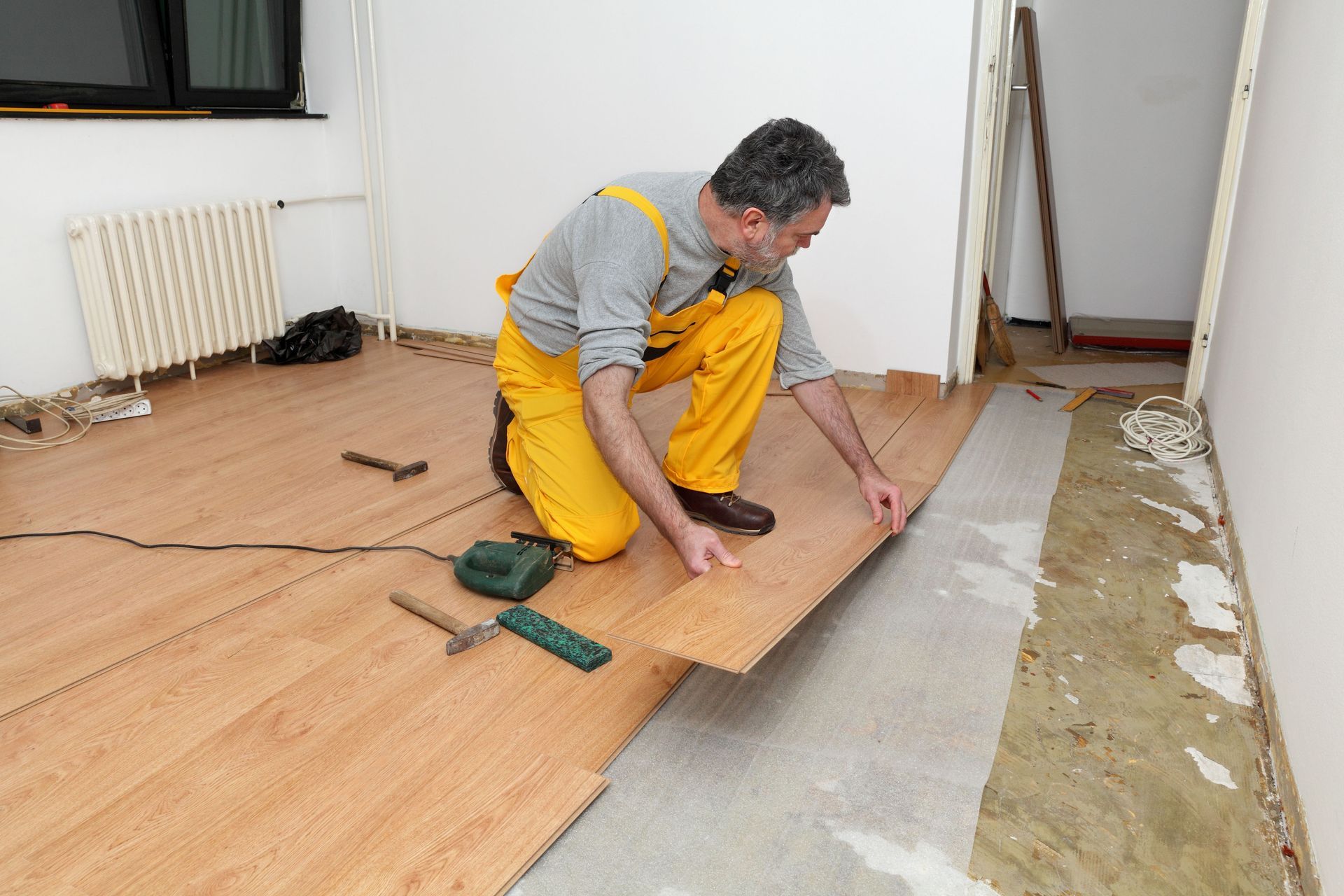
Achieving a flawless floor installation requires meticulous subfloor preparation, precise environmental acclimatization, and careful attention to expansion gaps. Solid timber planks must sit inside the target space for several days prior to installation so the natural wood fibers can balance with local humidity levels. The physical installation process generally requires specialized pneumatic equipment to nail or staple the tongue-and-groove boards directly into a clean, level wooden subfloor. Skipping these crucial preparation steps can result in unwanted squeaks, floorboard buckling, or unsightly gaps over time.
Engineered timber planks offer greater flexibility during installation, supporting glue-down, staple, or floating floor methods depending on the underlying substrate. When installed over concrete slabs or below-grade surfaces, incorporating proper vapor barriers and underlayments remains essential for preventing moisture damage. Seeking guidance from seasoned flooring store services guarantees that subfloor moisture tests are completed accurately and that the correct adhesive systems are applied. Expert execution during this phase protects product warranties and establishes a flat, durable foundation that maintains structural integrity across seasons.
Maintaining Surface Finishes Over Time
Preserving the original beauty and functional strength of any wood surface requires a consistent routine tailored to the specific finish applied during manufacturing or site finishing. Everyday care involves sweeping with soft-bristle brooms or vacuuming with hard-floor attachments to eliminate fine grit that acts like sandpaper underfoot. Liquid spills must be cleaned up promptly to prevent moisture from seeping into seams, while felt protective pads should sit beneath all heavy furniture legs. Avoiding harsh chemical cleaners or steam mops helps preserve the protective seal coats, preventing prematurely dull or cloudy surfaces.
Over years of continuous use, even the finest floors display signs of surface wear, high-traffic foot paths, or occasional surface scratches. Solid timber allows property owners to completely sand away surface flaws and apply entirely new stain colors to match changing interior design trends. While engineered products have thinner wear layers that restrict major sanding, they respond remarkably well to professional screen-and-recoat procedures that refresh protective top layers. Engaging specialized flooring store services for periodic maintenance assessments ensures that small wear issues are corrected before they require complete board replacements.
Choosing between solid timber and engineered planks relies on a clear understanding of space conditions, project budgets, and personal design priorities. Solid hardwood remains an unparalleled choice for classic spaces that call for maximum longevity and historical character, provided moisture levels remain fully controlled. Engineered timber supplies superior dimensional stability and structural versatility, making high-end wood designs viable across challenging modern environments like basements and concrete subfloors. Working directly with the knowledgeable team at Church Street Floor Coverings guarantees expert material sourcing, transparent guidance, and professional installation tailored to your unique architectural vision. Contact us today to speak with our specialists, explore our vast design showroom, and secure exceptional flooring store services for your upcoming property transformation.
Share On: